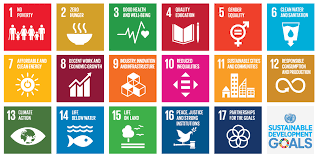
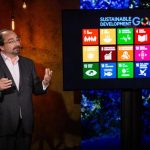
This video shows a great way to group the SDGs to make them more easily understood and used by students and the wider community.
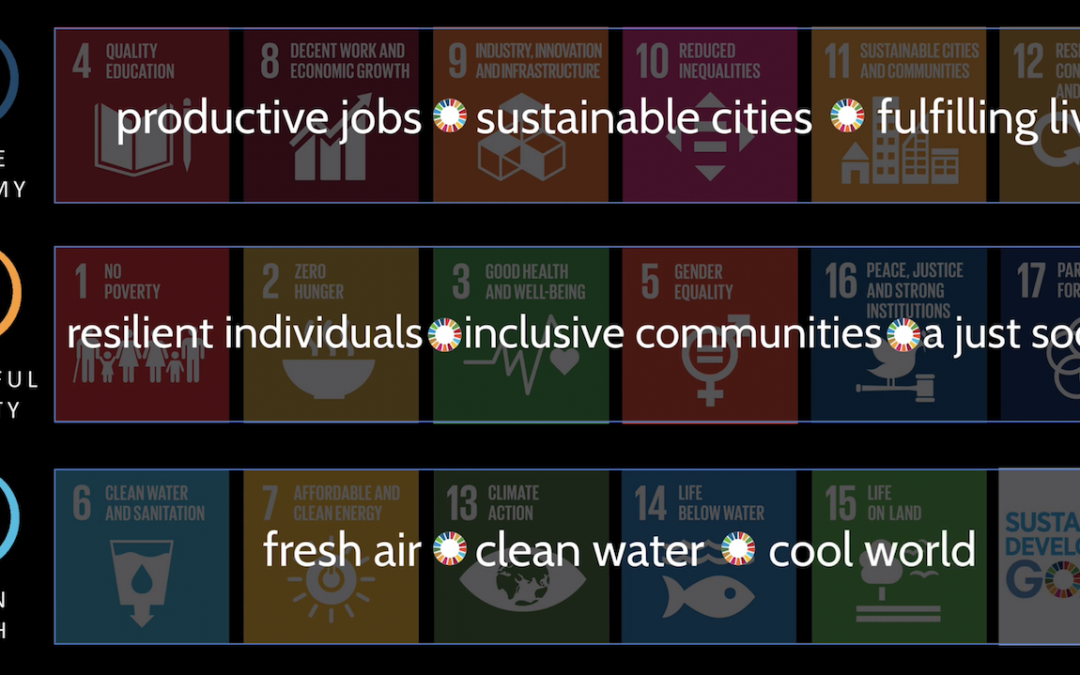
A brand new way of looking at the Global Goals
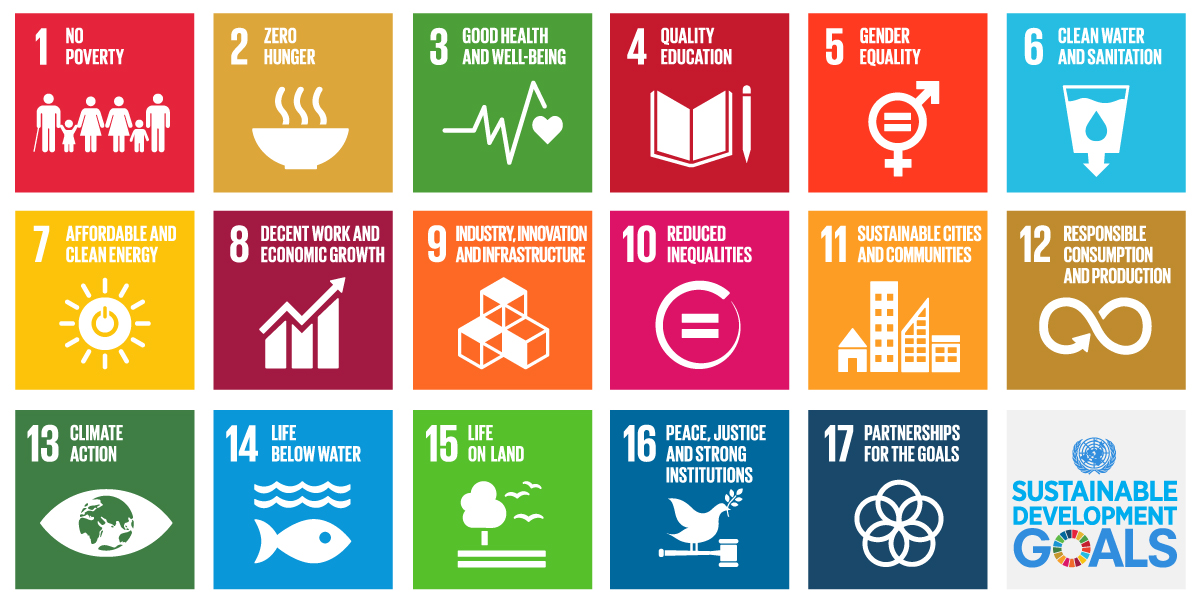
Here is an excellent way to represent and organise the UN Sustainable Development Goals that I came across today.
More posts about the SDGs
A brand new way of looking at the Global Goals
read more
SDG printouts for you to use
We now have a beautiful PDF printout for each of...
The power of the UN Sustainable Development Goals to ensure inquiry and problem based learning truly foster global-mindedness in learners
Schools world-wide are utilising...
Teaching using the Sustainable Development Goals
The United Nations Sustainable...
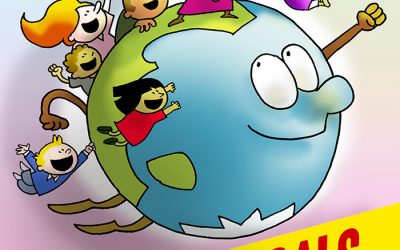
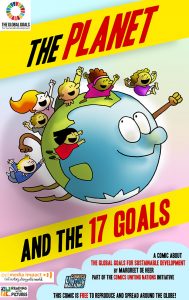
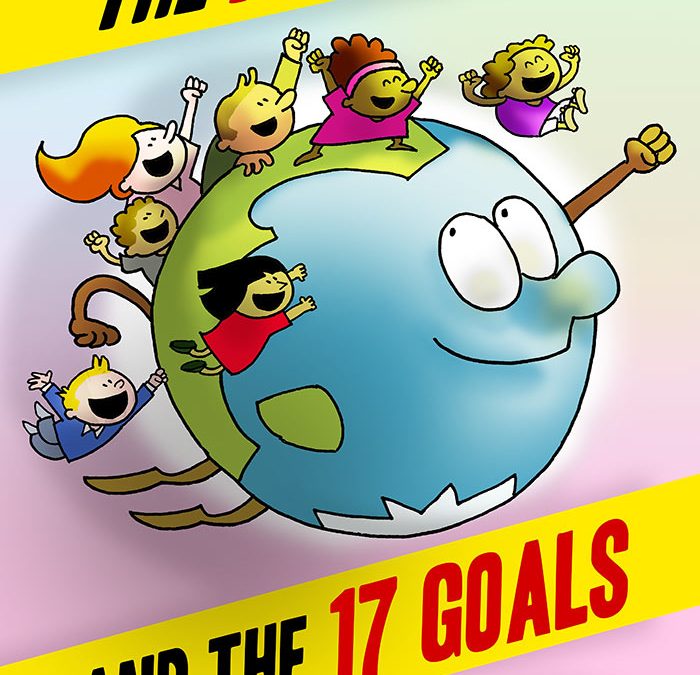
Comic – The Planet and the 17 Goals
The Planet and the 17 Goals is an...
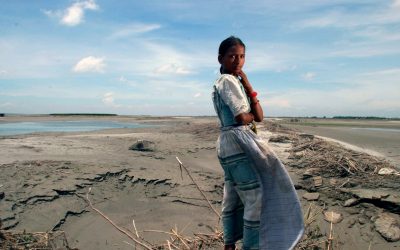
A girl’s view of the 17 sustainable development goals – in pictures
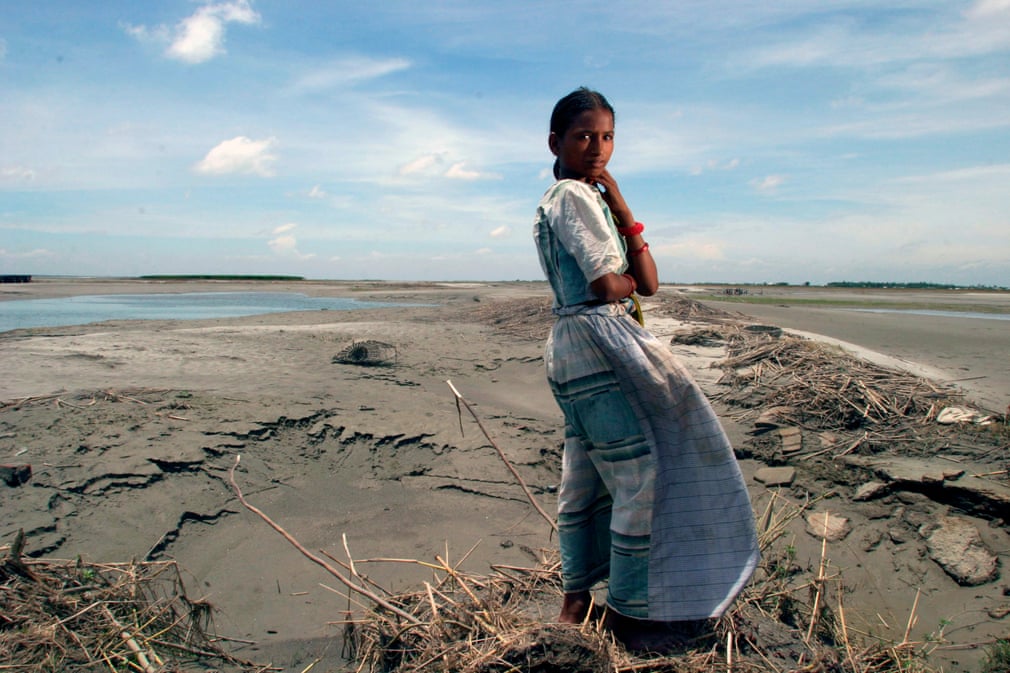
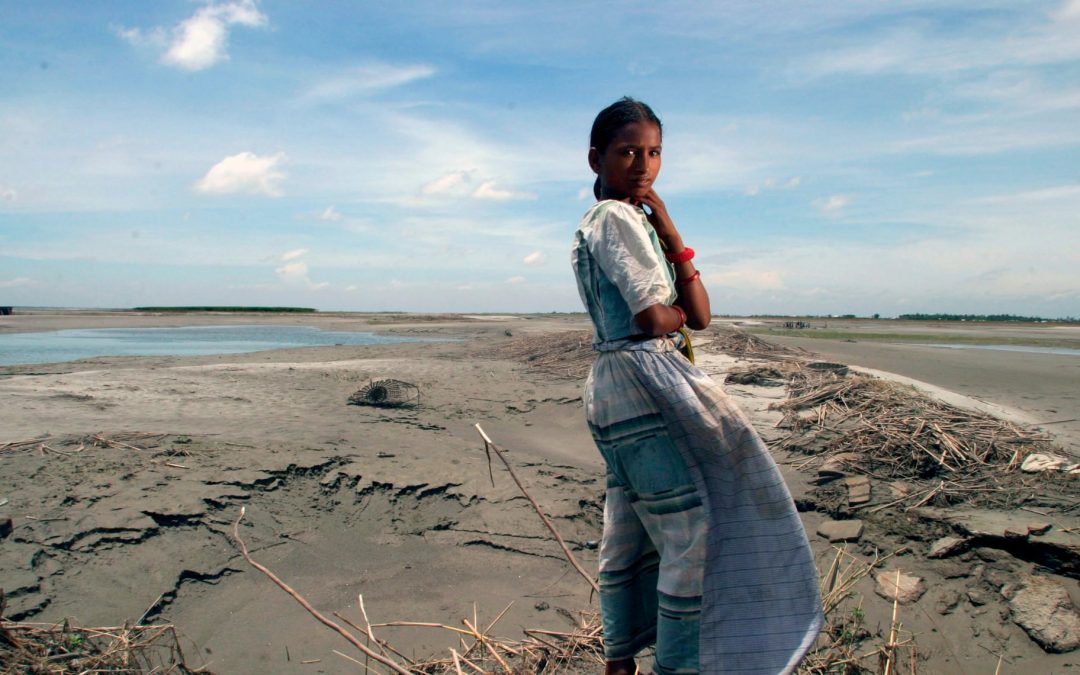
A girl standing where her house used...


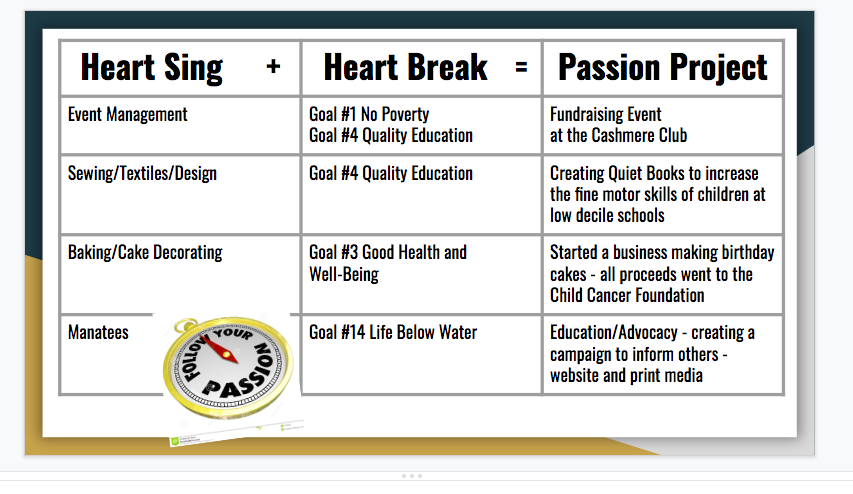
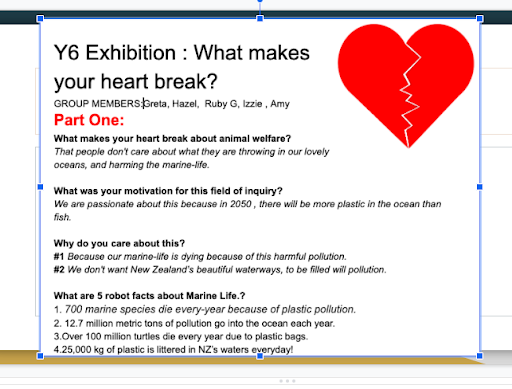
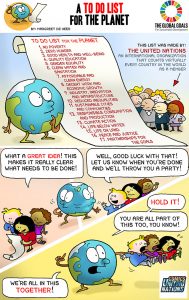 Starting with student passions and local needs is one of the most effective ways to teach with and through the SDGs. This will enable you to easily contextualise the issues and your students will be more likely to see them as relevant and pressing (which they are).
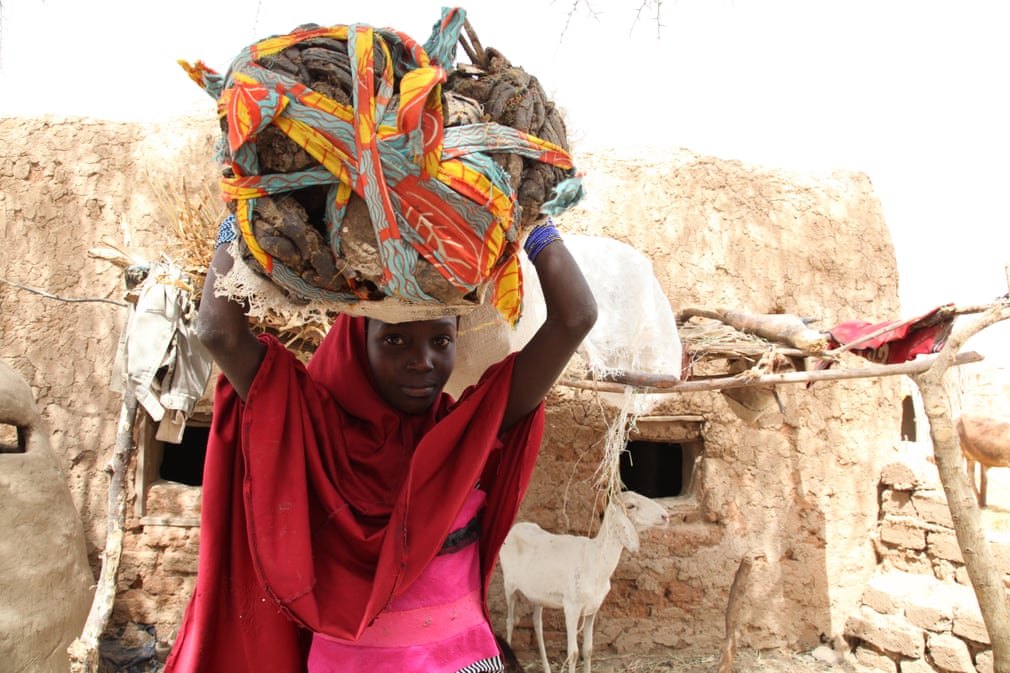
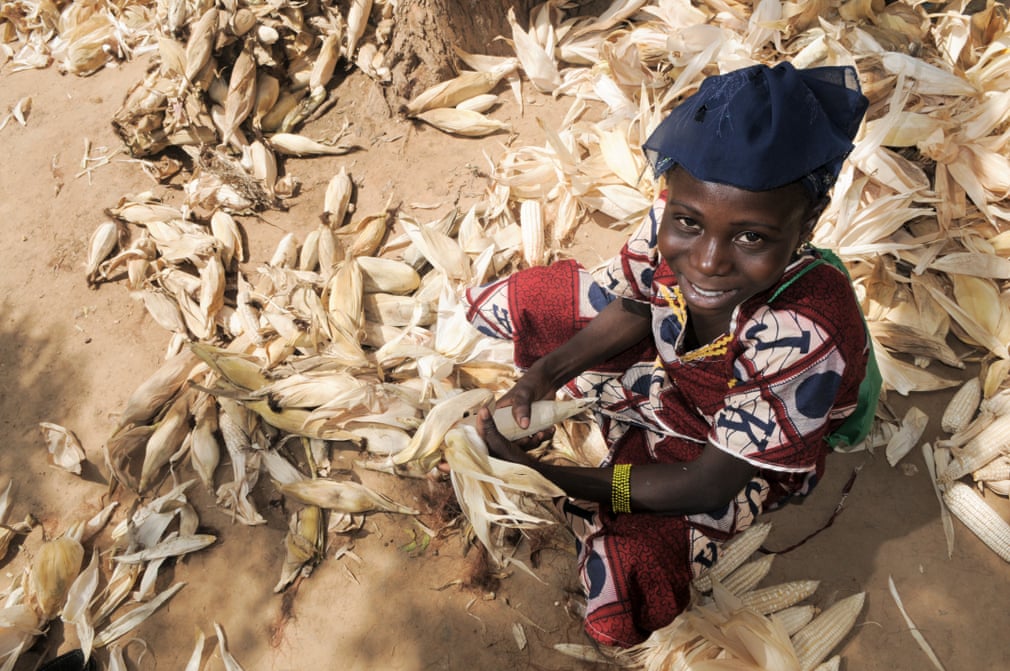 Eleven-year-old schoolgirl Djeneba peels the corn harvested by her family. She illustrates goal 2 – zero hunger. Women and girls are often excluded from decision making on land and resources critical to their livelihoods and food security. Work on this goal must ensure that women and girls – who are frequently responsible for their family’s smallholdings – benefit equally from all targets, especially from access to land and financial services.
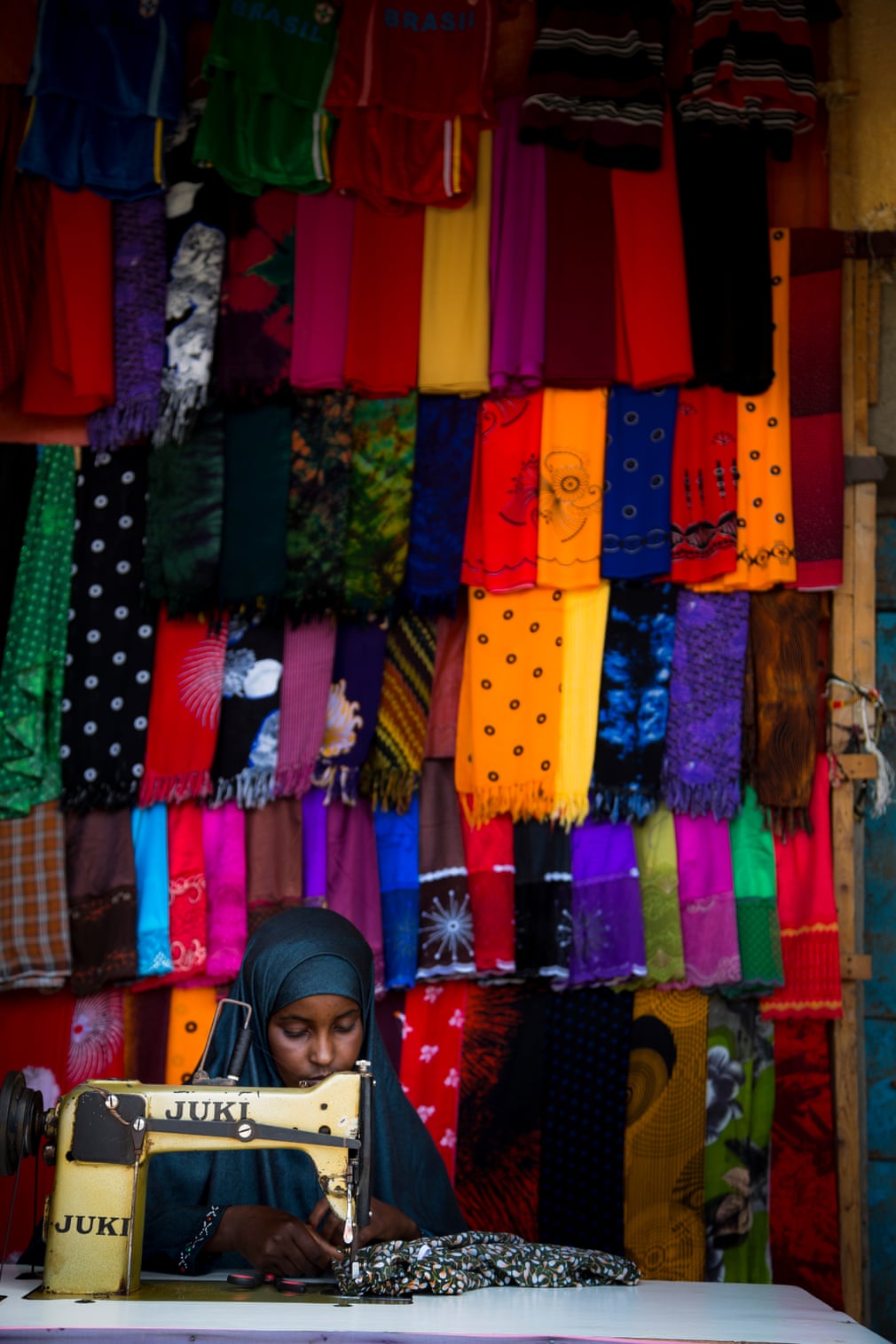
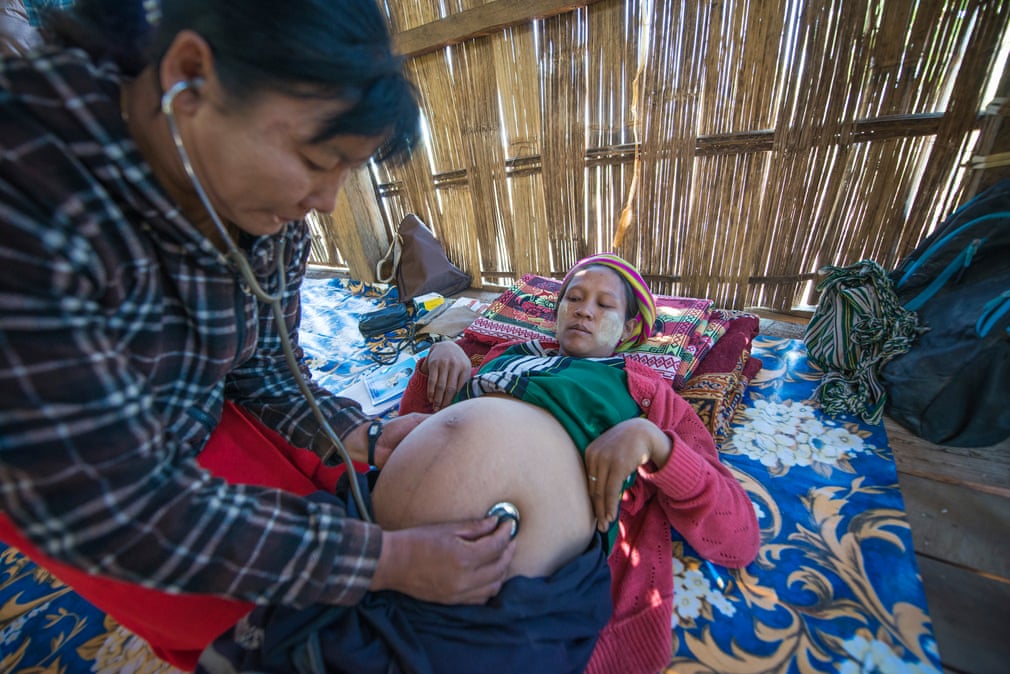 This goal has a wide range of areas including: reducing maternal mortality, ending preventable deaths of newborns and children under five, ending and combating diseases such as HIV and malaria, reducing non-communicable diseases, improving treatment of substance abuse, reducing deaths and injuries from traffic accidents, ensuring sexual and reproductive health and rights services and universal health coverage for all.
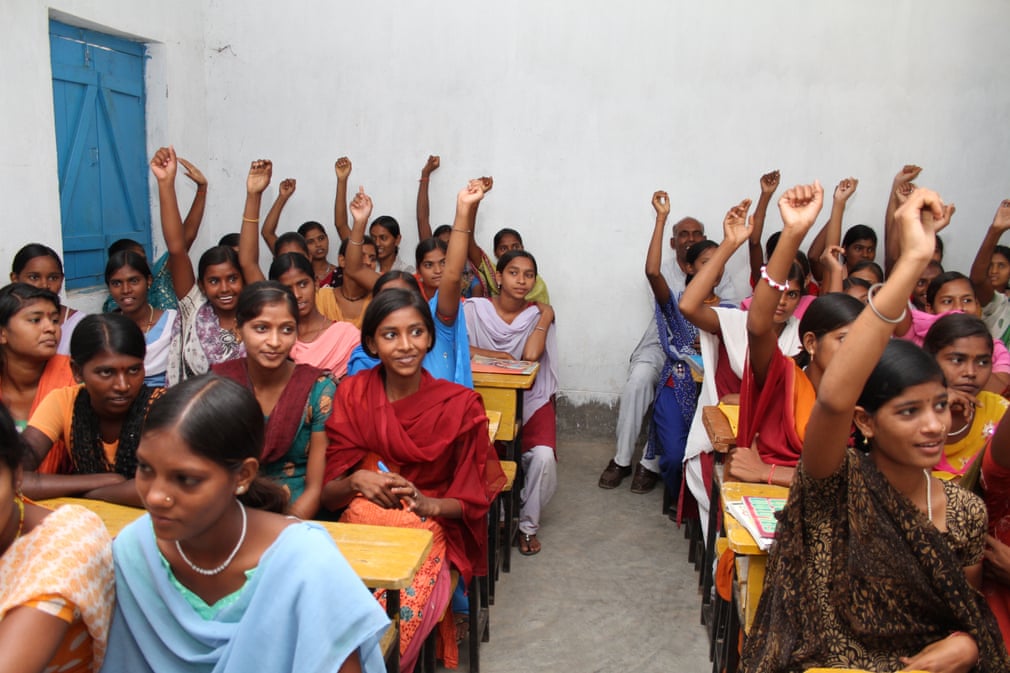 Girls at school in Bihar state, India, illustrating goal 4 – quality education, which recognises the transformative power of inclusive education. It aims to ensure access to free, equitable and quality primary and secondary education for girls and boys and to technical vocational and tertiary education and relevant skills for sustainable development, including literacy and numeracy, for youth and adults. Photograph: Ehtisham Husain/European Parliamentary Forum on Population and Development
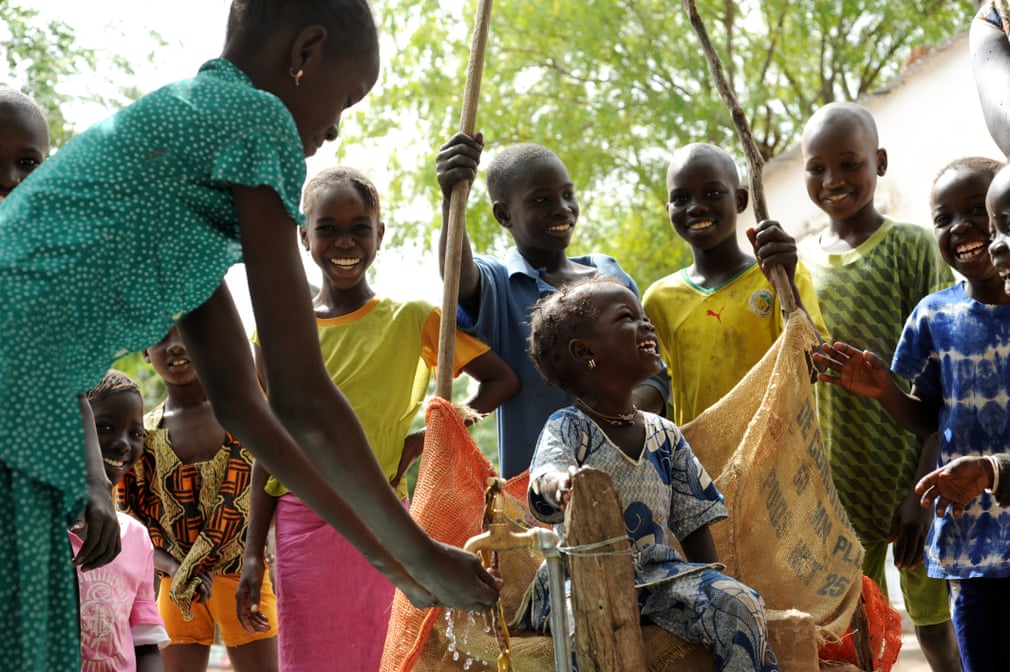

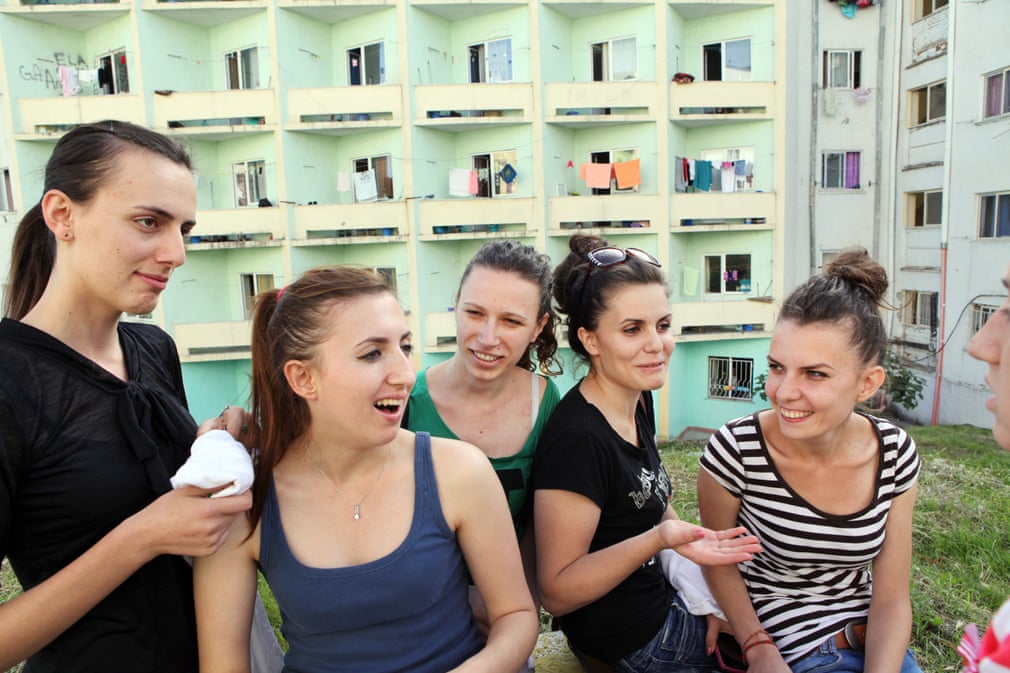 Young volunteers at the Family Planning Association of Albania gather at their university residence in Tirana illustrating goal 11 – sustainable cities and communities. This goal is key for girls and women as many face the risk of gender-based violence in and around the cities and settlements they live in on a daily basis. This threat is exacerbated by disasters, lack of safe public transport and street lighting.